
Telegram Mini Apps for business: sales and service right inside Telegram
What a Telegram Mini App is and who it suits: catalogue, payment, loyalty, one-tap login, 1C and CRM integration. How it differs from a bot and a website, and the cost.
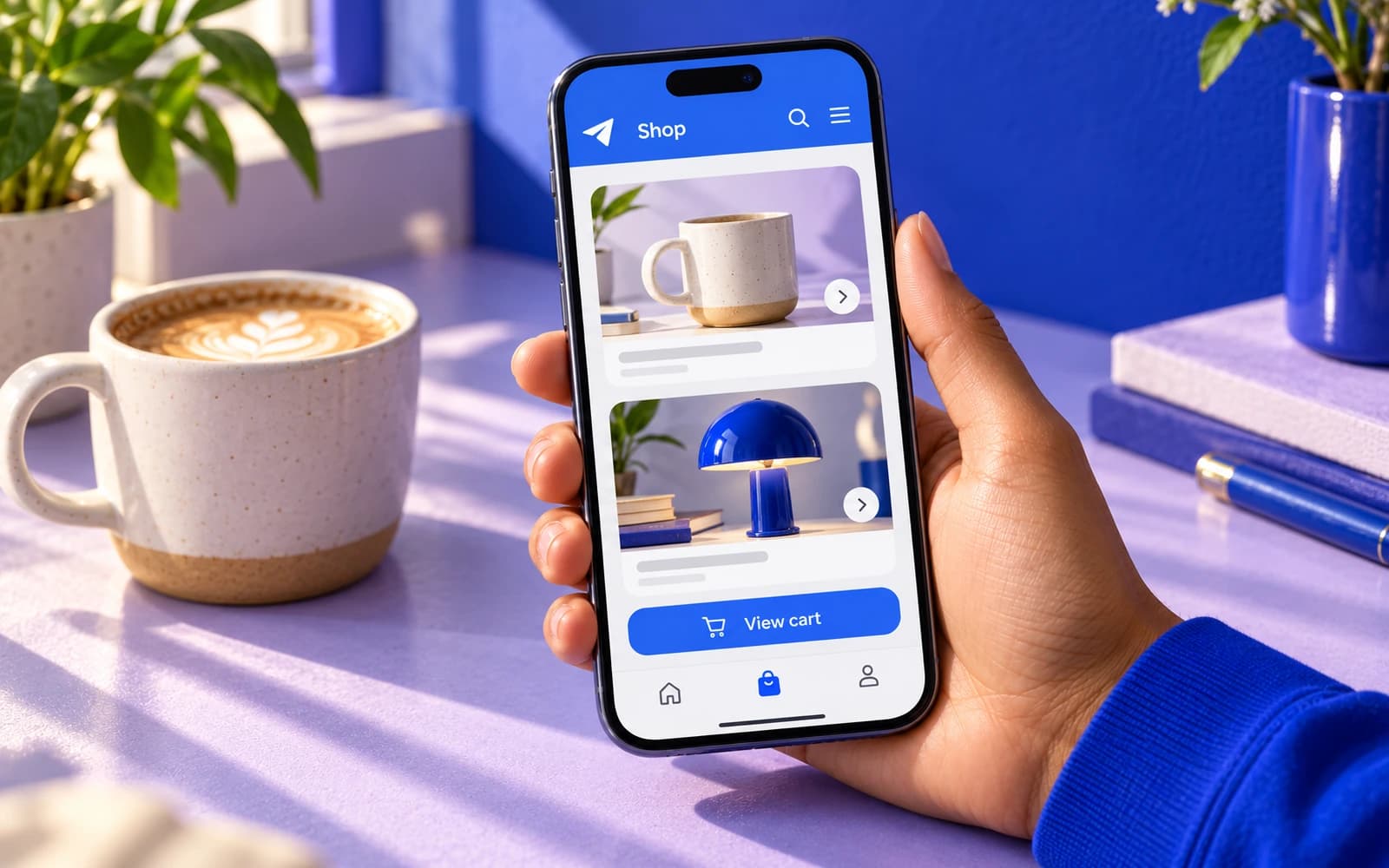
Many companies in Kazakhstan already have a living audience on Telegram: a channel, a group, incoming messages. But then a gap appears. To buy something or book an appointment, the person is taken to a website, and some are lost along the way. Every jump "from Telegram to the website" is a drop in conversion. A Telegram Mini App removes this gap: the catalogue, ordering, payment and personal account open right inside Telegram, with no jump to a third-party site and no installation.
Let us break down what a Telegram Mini App is, who really needs one, what works in it, how it differs from a bot and a regular website, how to choose between Telegram and WhatsApp, and how much it costs.
What a Telegram Mini App is
A Telegram Mini App is a web service built into the messenger. It opens inside Telegram with a single tap on a bot button, uses Telegram login (one tap, no separate registration), can accept payment and runs on any device with no installation. For the user it is "an app inside an app": a familiar environment, nothing to download.
An important advantage of the platform: apps inside Telegram get access to built-in mechanics (login, bot notifications, payments), and the bot platform itself is free for users and developers. You pay for development and the server, not for every message to a customer.
How a Telegram Mini App differs from what is already in Telegram
A business on Telegram usually already has something. Here is how a Mini App fits alongside it:
| Tool | What it does | What it does not do |
|---|---|---|
| Channel and posts | Content, reach, warming up | Does not sell "in one click", no catalogue or account |
| Bot | Auto-replies, broadcasts, simple requests | No full interface, catalogue or cart |
| Telegram Mini App | Catalogue, cart, payment, account, loyalty | This is the "store or service" inside Telegram |
So the channel brings in and warms up the audience, the bot covers simple communication, and the Mini App turns all of this into sales and service.
Who it suits
A Telegram Mini App works especially well where a business already has an audience on Telegram and a clear, repeating scenario:
- Retail and wholesale. Catalogue and orders right inside the messenger, repeating a past order in one tap.
- Services with booking. Salons, studios, barbershops, clinics, car services.
- Events. Selling tickets, registering participants.
- Loyalty programmes. Points, cashback and promotions with broadcasts through the bot.
- Services and subscriptions. A personal account and payment inside Telegram.
If you do not have an audience on Telegram yet, it first makes sense to invest in one (content, advertising) and add a Mini App once you have someone to serve. A Mini App amplifies an existing audience; it does not create one from scratch. And keep the local picture in mind: in Kazakhstan customers message businesses on WhatsApp more often. If most of your orders arrive there, starting with a WhatsApp bot is more sensible; we explain how in WhatsApp automation for business.
What is inside and why it all comes down to integrations
The feature set is predictable: catalogue, cart, payment, personal account, loyalty, notifications, analytics. But the value is not in the storefront, it is in the link with your systems:
| Integration | Why |
|---|---|
| CRM (amoCRM, Bitrix24) | Requests and orders go straight into the pipeline, nothing gets lost |
| 1C or MoySklad | Up-to-date prices, stock and orders with no manual entry |
| Payments (Halyk ePay, Kaspi) | Card payment through bank acquiring or payment through Kaspi by invoice or QR code |
| Telegram login | One-tap authentication, no registration |
Without this, the app quickly turns into yet another channel whose orders a manager retypes by hand. With it, it becomes a working sales tool where the customer buys without leaving the messenger. We build the exchange with your accounting system as part of 1C integration, and connect card payments through Halyk ePay or another bank you have an acquiring agreement with.
For digital goods and services, Telegram has its own rules for in-platform payment (Telegram Stars), so we check what exactly you sell and how it is paid for before we start.
Example: a crypto wallet inside Telegram
TeleCard is our own crypto wallet that lives inside Telegram: a Mini App and a bot. One USDT balance covers three networks, with BTC, ETH and GRAM beside it. You can send a check in any chat, swap coins or get paid through a personal link. Sign-in has no seed phrase: Telegram is the account, and a passcode or Face ID opens the wallet. It has been live since 8 October 2026, details on the TeleCard case page.
This matters for the budget. If you already have a Mini App on another platform or a web service, a significant part of the logic (catalogue, orders, payment, integrations) is reused, and the new version comes out cheaper than building from scratch.
Telegram or WhatsApp: which to choose
A common question is which platform to build on. A quick benchmark:
| Platform | When to choose |
|---|---|
| Telegram Mini App | Your audience is on Telegram, and you need a full interface with a catalogue and cart, fast repeat orders and broadcasts |
| WhatsApp bot | Customers already message you on WhatsApp, the order is short (menu, address, time), and you need statuses and reminders |
| Web app (PWA) | You need search, traffic from Google and Yandex, and a service that does not depend on a messenger |
Mind the difference in money: the Telegram bot platform is free, while Meta charges for WhatsApp Business API messages by message category. We compare the two in detail in Telegram bot or WhatsApp for orders.
It is not an "either/or". The backend (catalogue, orders, payment, integrations) is shared, and the "storefronts" for each platform are added as needed. That way you do not pay for the same thing twice: you pay for the backend once and add platforms.
Common mistakes
- A Mini App with no audience on Telegram. An app amplifies an existing audience; it does not replace the work of attracting one. First you have someone to serve, then a Mini App.
- No CRM or 1C integration. Again, manual transfer of orders instead of automation.
- A long registration instead of Telegram login. The advantage of one-tap entry is lost.
- Ignoring the platform rules. Telegram's requirements for bots and payments are built into the project from the start rather than run into at the end.
- Building only for Telegram when the audience is spread out. If you also have customers on WhatsApp, it is reasonable to cover both platforms on a shared backend.
- One language where two are needed. In Kazakhstan the interface and bot messages usually need Kazakh and Russian, and a Mini App can open in the user's language.
How much it costs and how long it takes
The price depends on three things: how many screens and journeys the first version has, whether payment inside the app is needed, and which systems it has to exchange data with.
| What | Budget benchmark | Timeline |
|---|---|---|
| A simple Mini App: catalogue, requests, a basic account | from 800 000 ₸ | First version within a few weeks |
| With payment and loyalty | Estimated after the brief | Depends on scope |
| A complex one: deep integrations, non-standard logic | Estimated after the brief | Depends on scope and access to your systems |
A standard link between two systems, such as a Mini App and 1C, starts from 270 000 ₸; a complex exchange is estimated once we have studied your accounting system. The price and scope are fixed in the contract, with a six-month warranty, and the code and access stay with you. If you already have a Mini App on another platform or a web service, the Telegram version comes out cheaper thanks to reused logic.
The bottom line
A Telegram Mini App makes sense when a business already has a living audience on Telegram: it removes the "from Telegram to the website" gap and lets you sell right inside the messenger, with one-tap login and payment through a bank or Kaspi. What matters is integration with your CRM and 1C, not the storefront. And it is almost always more profitable to build a shared backend and cover the platforms where your audience already is (Telegram, WhatsApp, web) than to pay for each one from scratch. We show what the development includes on the Telegram Mini App page.
What we do on this topic
Short and to the point.
How is a Telegram Mini App better than a regular online store?
It is neither better nor worse; it is closer to the audience. If your customers already spend time on Telegram, selling to them inside Telegram means fewer losses on transitions and more repeat orders.
Do I need a separate website if I have a Telegram Mini App?
A website is useful for search and traffic from Google and Yandex. A Mini App is for sales inside the messenger. They are often combined on a single backend.
What do login and payment look like inside Telegram?
Telegram login is one-tap authentication with no separate registration. Payment is connected through bank acquiring such as Halyk ePay, or through Kaspi by invoice or QR code. Together they remove friction: the customer signs in and pays without leaving the messenger.
Does Telegram review these apps like the App Store does?
A Mini App has no separate review like the app stores, but the bot and the app must follow Telegram rules for developers, including the payment rules. We build these requirements into the project from the very start.
Can a Telegram Mini App be built on top of our WhatsApp bot?
Yes, if the backend is built correctly. The catalogue, orders, payment and integrations are reused, while a storefront is built for Telegram and one-tap login is connected.
Is this suitable for service booking, not just products?
Yes. Booking a service (choosing a specialist, a time, paying) is one of the most successful Mini App scenarios in the services sector.
Read also
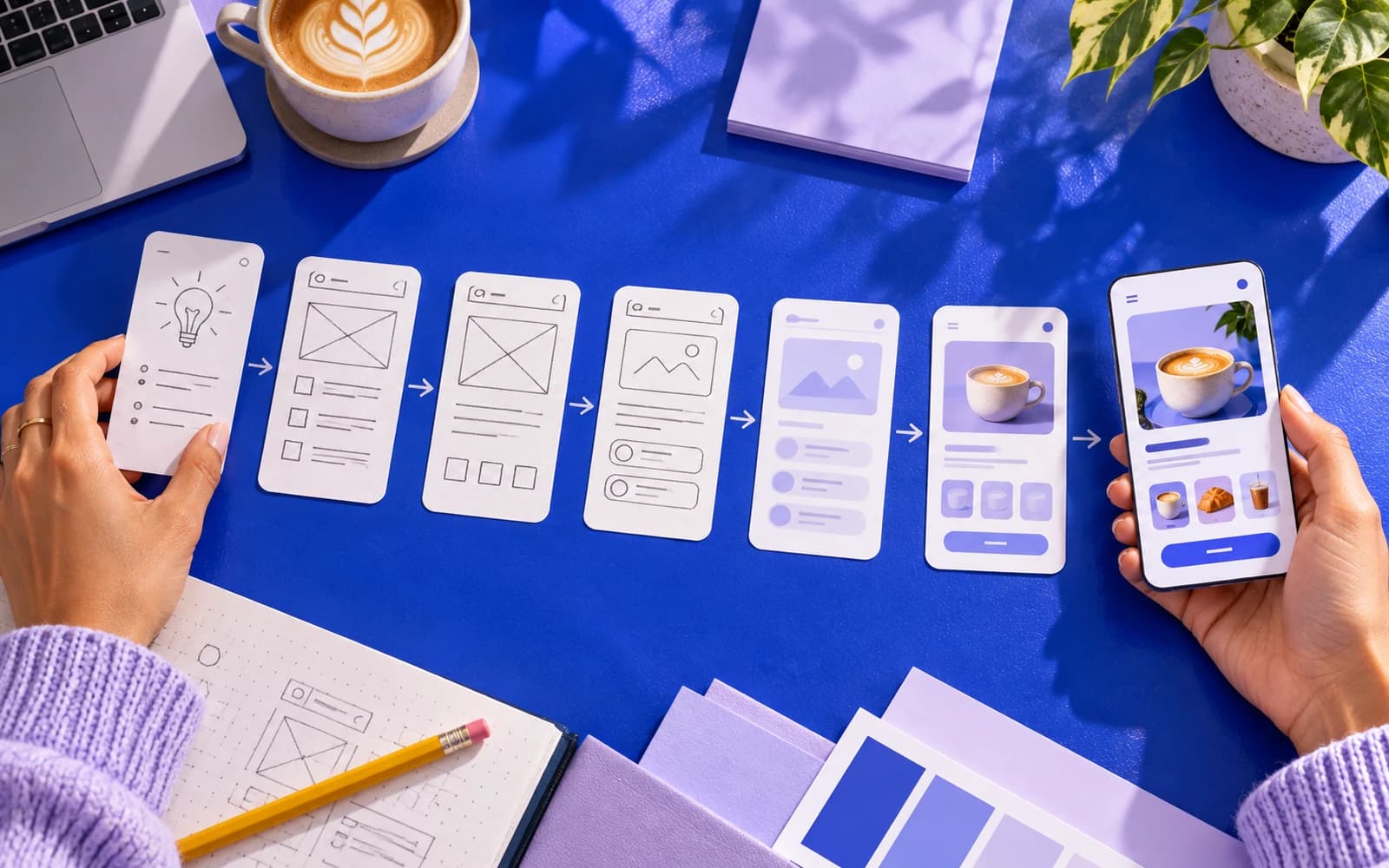 Apps10 min readHow to make an app for my business: a 7-step guide for 2026Do you need an app at all, which business apps pay off, the seven steps from goal to launch, what drives the budget and how to choose a developer in Kazakhstan.
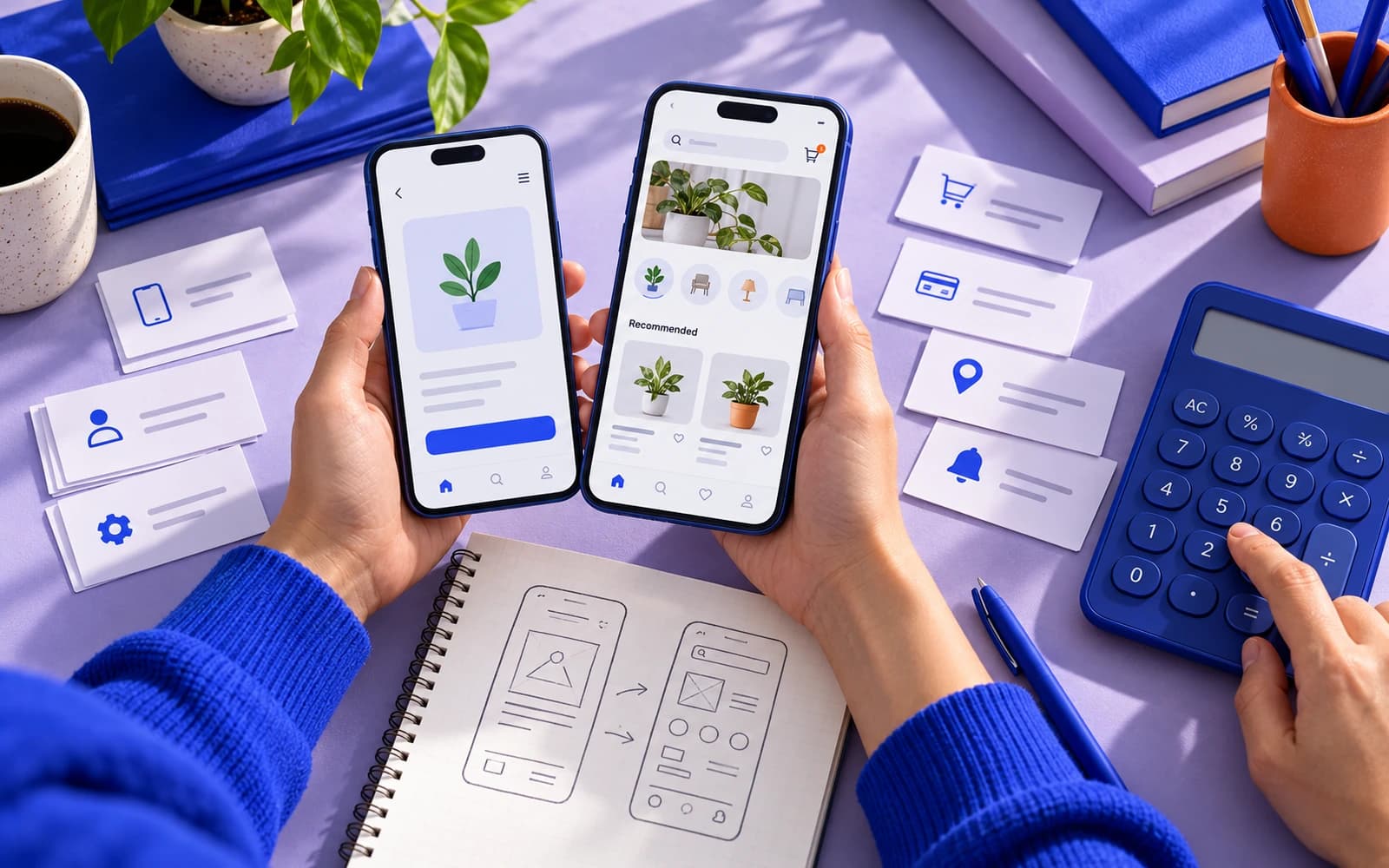 Apps11 min readMobile app development cost in 2026: how much does it cost to build an app?What drives the cost of a mobile app in Kazakhstan: app types, what a quote includes, running costs after launch and how to compare offers from developers.
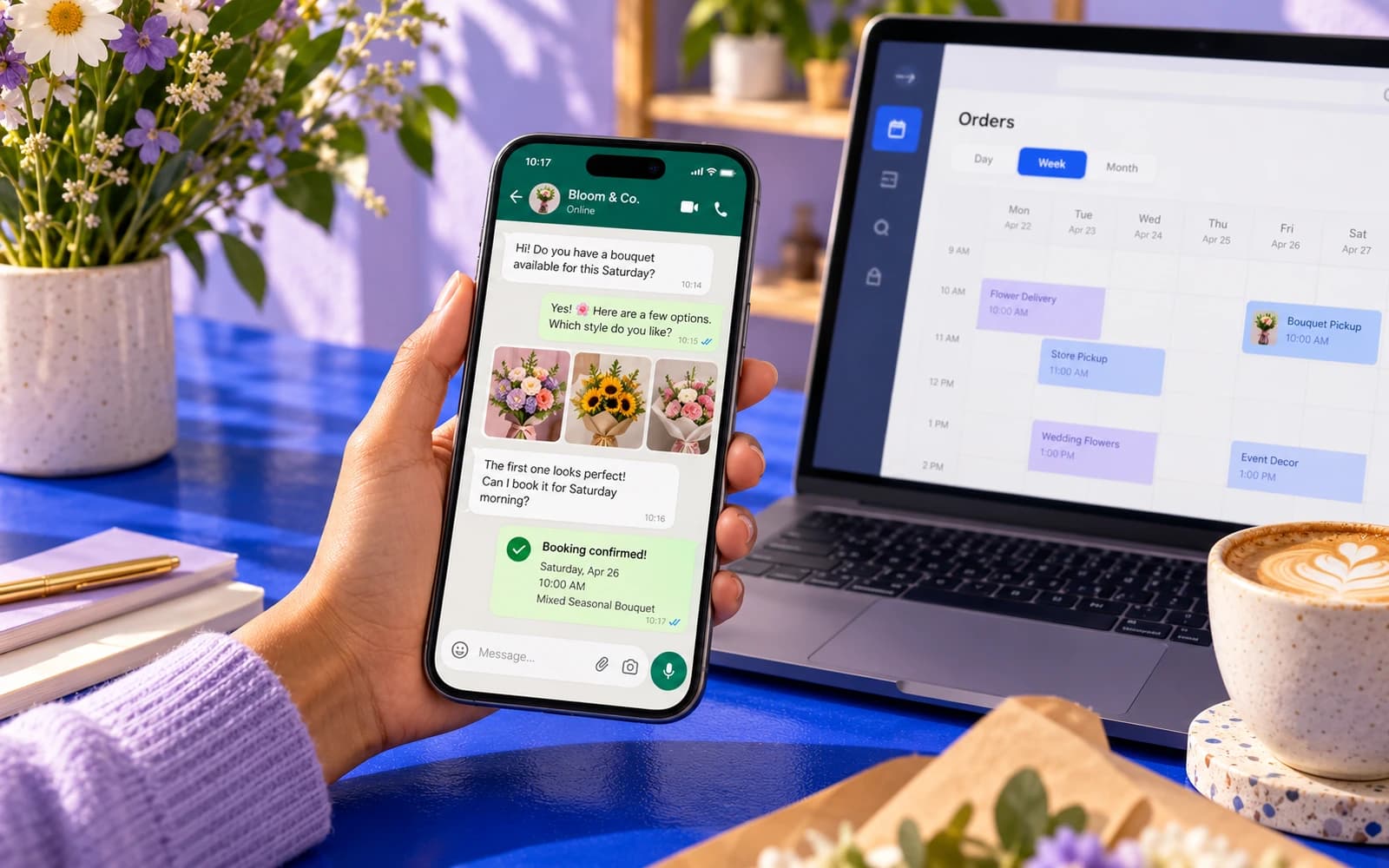 Automation14 min readWhatsApp automation for business: a practical guideWhatsApp automation for business: what to automate, opt-in and template rules, how Meta charges for messages from October 2026, tools and how a rollout runs.
Shall we discuss your project?
We will tell you what it costs and how long it takes. The price is fixed in the contract.