
How to increase customer retention: 9 practical ways that work
How to increase customer retention: nine practical ways, from the second visit to win-back messages, plus the tools for each stage and a simple checklist.
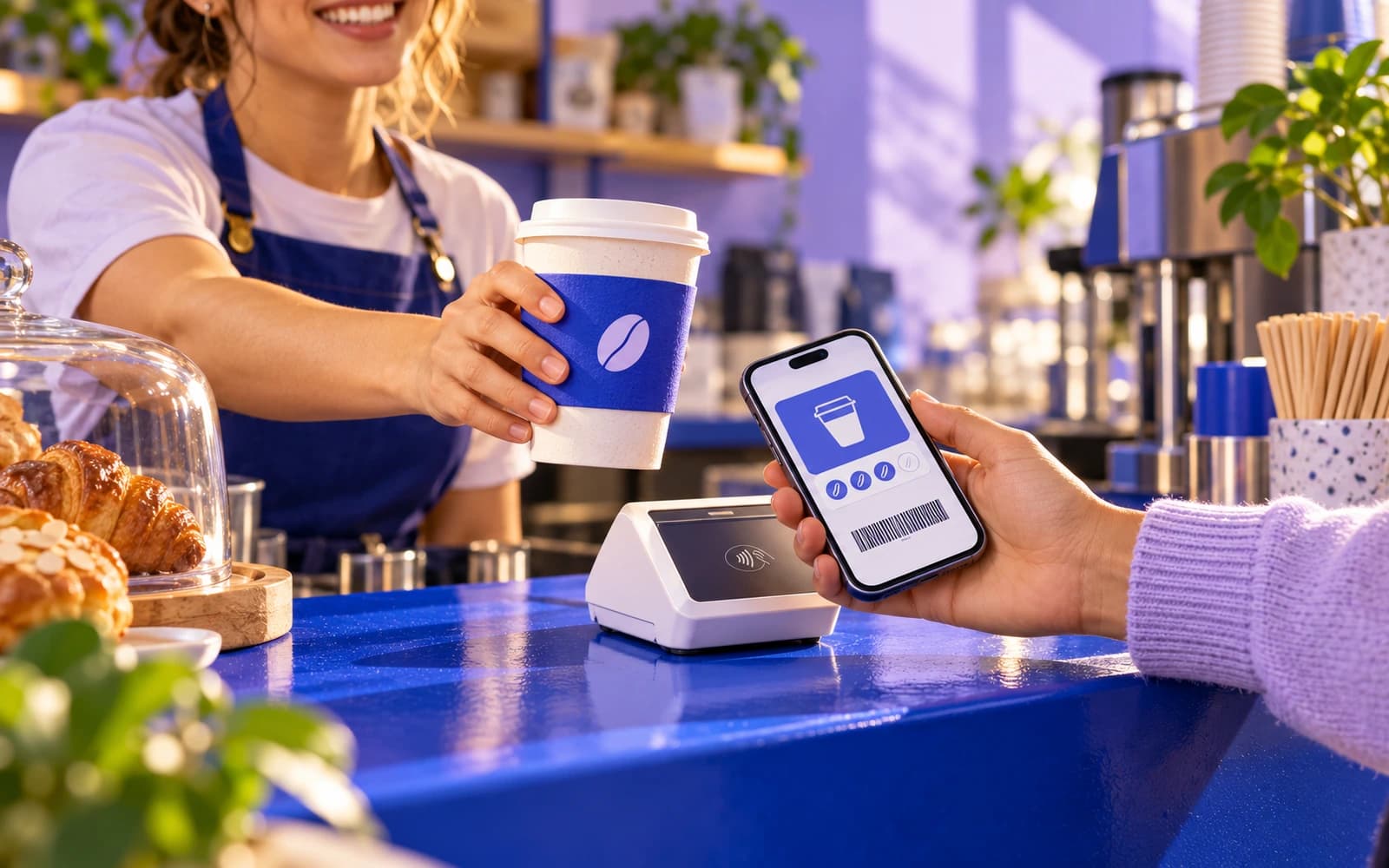
To increase customer retention, make the second visit easy and rewarding, stay in touch between visits, and notice when a regular stops coming. Most businesses lose customers not because of a bad experience but because nothing gives them a reason to come back soon. The fixes are mostly habits and simple tools, not big budgets.
Kazakhstan has its own specifics here. Customers message on WhatsApp more often than they call, many look up addresses and reviews in 2GIS, and Kaspi has made them used to earning bonuses on purchases. All of this can work for retention. Below are nine practical ways, the tools that support them at each stage, the mistakes to avoid and a short checklist.
First, know your numbers
You cannot improve what you do not see. Three numbers are enough: repeat rate (what share of customers bought again within a set period), visit frequency and churn (who has not come back within your normal cycle). We explain how to calculate each in 12 loyalty program ideas.
A worked example: if 600 people bought from you in September and 240 of them came back within 90 days, your repeat rate is 40%. Write down today's values before you change anything, and check them monthly.
Where to get the numbers: from the till or 1C if each sale is linked to a customer by phone or card, from your booking system, or at the start from a simple spreadsheet. If sales are anonymous, count at least your loyalty members: that already gives you a comparison with everyone else.
How to increase customer retention: 9 ways that work
1. Win the second visit
The biggest drop usually happens between the first and second purchase. Give first-time customers a concrete reason to return soon: a reward for the second visit within two weeks, a follow-up service, a "shall we book your next appointment?" at checkout.
2. Get a way to reach the customer
An anonymous customer cannot be reminded, thanked or won back. Ask for a phone number at the moment it makes sense: booking, a loyalty card, a receipt sent by message. A phone number and a name are personal data: Kazakhstan's law requires collecting them with the person's consent and storing them in a database inside the country. Our guide on personal data shows how to set up consent in a form. For promotional messages, it is wise to ask for a separate consent.
3. Make coming back effortless
Every step between "I want to come back" and "done" loses people. Online booking, a saved favourite order, one-tap reorder, a saved card, payment through Kaspi by link or QR. The faster the second order, the more likely the third.
4. Remind at the right moment
Most services have a natural cycle: a haircut every five or six weeks, a car service once a year, a dental check-up twice a year. A reminder sent just before that moment is not marketing, it is service. Base the timing on each customer's own history if you can. In Kazakhstan, the most convenient place for that reminder is WhatsApp, where the customer is already talking to you.
5. Reward the behaviour you want
A loyalty programme works when it rewards something specific: the next visit, a bigger basket, a referral. Keep the rule simple enough for staff to explain in one sentence. Mechanics that fit different businesses (stamps, packs, memberships, tiers) are covered in the same article on 12 ideas.
6. Answer fast, in the channel customers use
Slow replies push people to a competitor. If customers write to you on WhatsApp or Instagram, answer there. WhatsApp automation can confirm bookings and send reminders in the same chat, and a simple bot can take bookings and routine questions at night and hand anything unusual to a person. A reply within minutes during working hours, and an honest "we will answer in the morning" at night, beats silence until lunchtime.
7. Recover mistakes well
Things go wrong. A customer whose problem was fixed quickly and fairly often becomes more loyal than one who never had a problem. Give staff the right to fix small issues on the spot, and follow up afterwards. The same goes for reviews: a complaint on 2GIS or Google deserves a real answer, because future customers read it too.
8. Win back customers who drift away
Watch for regulars who miss their usual cycle. A customer who came every two weeks and has been absent for six should get a personal message with a specific reason to return. Target only lapsed customers, so loyal ones do not learn to wait for discounts. To see this at all, you need a customer base with visit history: a CRM or a booking system, not a notebook.
9. Ask, then act on the answer
A one-question survey after a visit ("How likely are you to come back?") or a short call to a lost regular tells you more than any dashboard. Share what you changed; customers notice.
What it looks like in practice
Take a beauty salon with three stylists. A client books through WhatsApp, and at checkout the receptionist offers to book her next visit in five weeks right away. A day before the visit, a bot sends a reminder and takes the answer: confirm, reschedule or cancel. If she has not booked and seven weeks have passed, the CRM gives the receptionist a task to message her personally. Once a month, the owner looks at three numbers: repeat visits, frequency and churn.
None of these steps needs a big budget, but together they cover almost all nine points. You can start with a spreadsheet and manual messages, and automate what has already proved useful.
Tools for each stage
| Stage | What you can do | Tools |
|---|---|---|
| Starting out | Stamp card, birthday list, personal follow-ups | Paper card, spreadsheet, the owner's memory |
| Growing | Reminders, win-back messages, digital card, fast replies | CRM or booking system, WhatsApp, a digital loyalty card |
| Several locations or many regulars | Segments, automatic reminders and offers, analytics per location | Your own loyalty app connected to the till, 1C and customer data |
Choosing between a card in the phone's wallet and your own app? A detailed comparison is in the neighbouring blog article on digital loyalty cards.
Mistakes to avoid
- Discounts for everyone. They cut margin and teach customers to wait. Use rewards for loyal customers and discounts only for win-back.
- Too many messages. One useful message beats five promotions. People unsubscribe from noise, and on WhatsApp they block you.
- Hard to opt out. If people cannot stop the messages with a single reply, they will simply block your number.
- Launching five tactics at once. Pick one or two, measure for a month, then add the next.
- Measuring nothing. If repeat rate and churn do not move after three months, the tactic is not working, however good it sounds.
- Forgetting the staff. Retention is decided at the counter and on the phone. Tell your team what you are trying to change and why.
Checklist
- You know your repeat rate and churn today.
- Every first-time customer gets a reason to come back within their normal cycle.
- You collect contacts with consent and store them in Kazakhstan.
- Rebooking or reordering takes one or two steps.
- Reminders go out before the natural return moment.
- Lapsed regulars get a personal win-back message.
- You check the numbers every month.
When software helps
Most of the ideas above start with a spreadsheet and good habits. Software becomes useful when you have too many customers to remember and want reminders, win-back offers and analytics to run on their own.
The usual path looks like this. First, a customer base and visit history in a CRM: rolling out a ready-made system such as amoCRM or Bitrix24, or building your own CRM, starts from 800 000 ₸. Then reminders and replies on WhatsApp: a bot starts from 420 000 ₸. For chains and businesses with many regulars, the next step is a branded loyalty app: bonuses or stamps, an Apple Wallet card, push offers and a connection to the till and 1C. A first version starts from 1 000 000 ₸.
That is what we built for Hotu-As, a meat processing plant with its own retail chain: an app with cashback, an Apple Wallet card and a connection to ATOL tills and 1C 7.7. An app does not guarantee repeat purchases by itself: what matters is the bonuses and how you tell people about them. The price is fixed in the contract before work starts, with a 6-month warranty, and the source code stays with you.
What we do on this topic
Short and to the point.
What is a good customer retention rate?
It depends on how often people buy in your category: a café sees regulars weekly, a car service once a year. Compare yourself with your own previous months, and members with non-members, rather than with a general benchmark.
What is the cheapest way to increase customer retention?
Collect contacts with consent and send a well-timed reminder or a personal thank-you, for example on WhatsApp. A birthday reward and a simple stamp card are also cheap to run.
Do I need a loyalty app to keep customers?
No. Many businesses keep customers with good service, reminders and a simple card. An app helps when you have many regulars, several locations or want reminders and offers to run automatically. A first version starts from 1 000 000 ₸.
Can I collect customer phone numbers for reminders?
Yes, with the person's consent: a phone number and a name are personal data. Under the personal data law they must be stored in a database inside Kazakhstan. It is best to agree the consent text for your company with a lawyer.
How long before retention efforts show results?
Give each change at least one full buying cycle of your customers, often one to three months, before judging it by repeat rate and churn.
Read also
 Apps12 min readLoyalty program ideas: 12 ways to bring customers back to cafés, salons and shopsLoyalty program ideas for restaurants, cafés, salons, studios and shops: 12 that work, the pitfall of each, which tool to run them on and a 30-day plan.
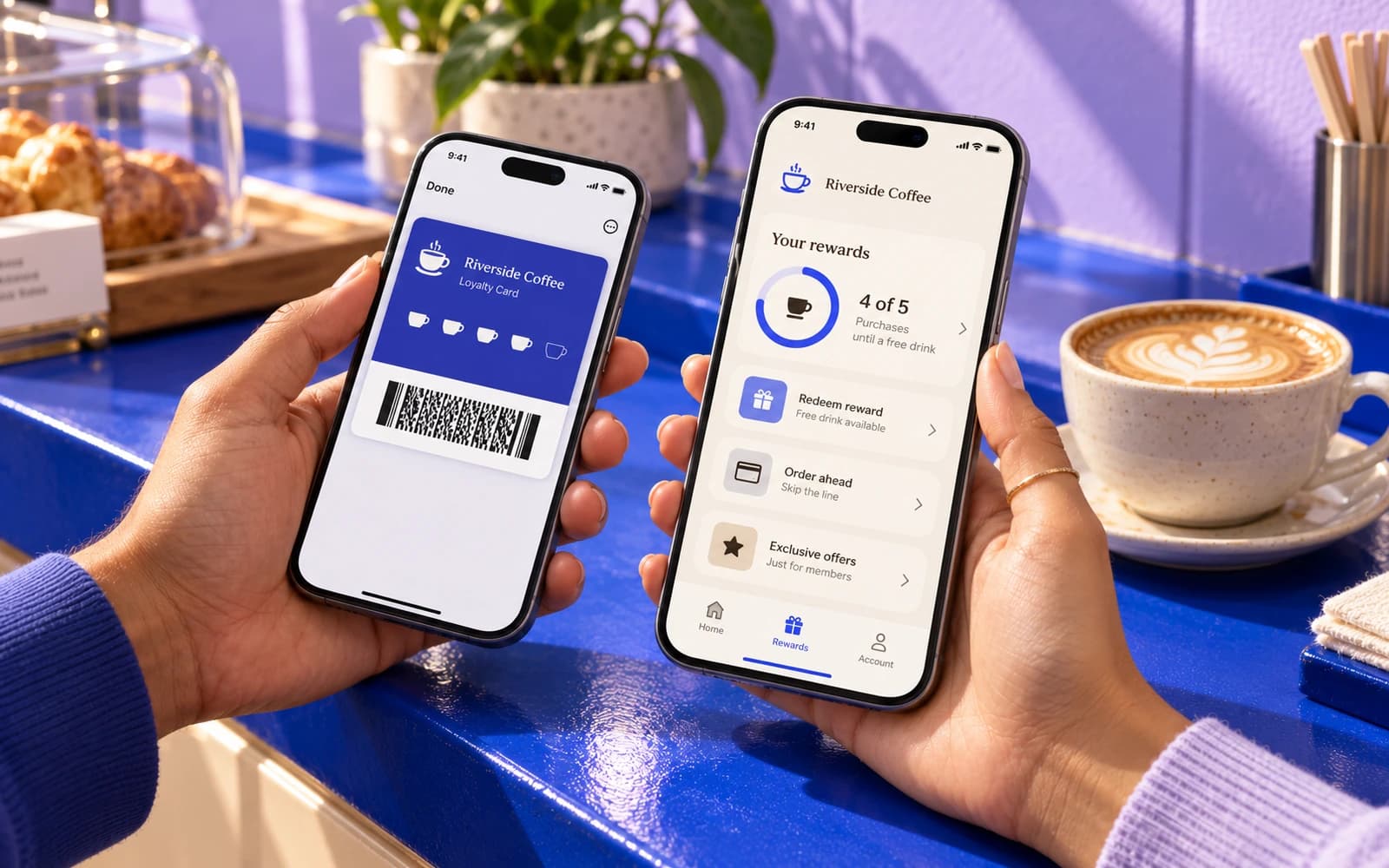 Apps8 min readCustomer loyalty app or digital loyalty card: which one your business needsA digital loyalty card in Apple Wallet or Google Wallet, or your own loyalty app? What each can do, where each falls short and how to pick the right one.
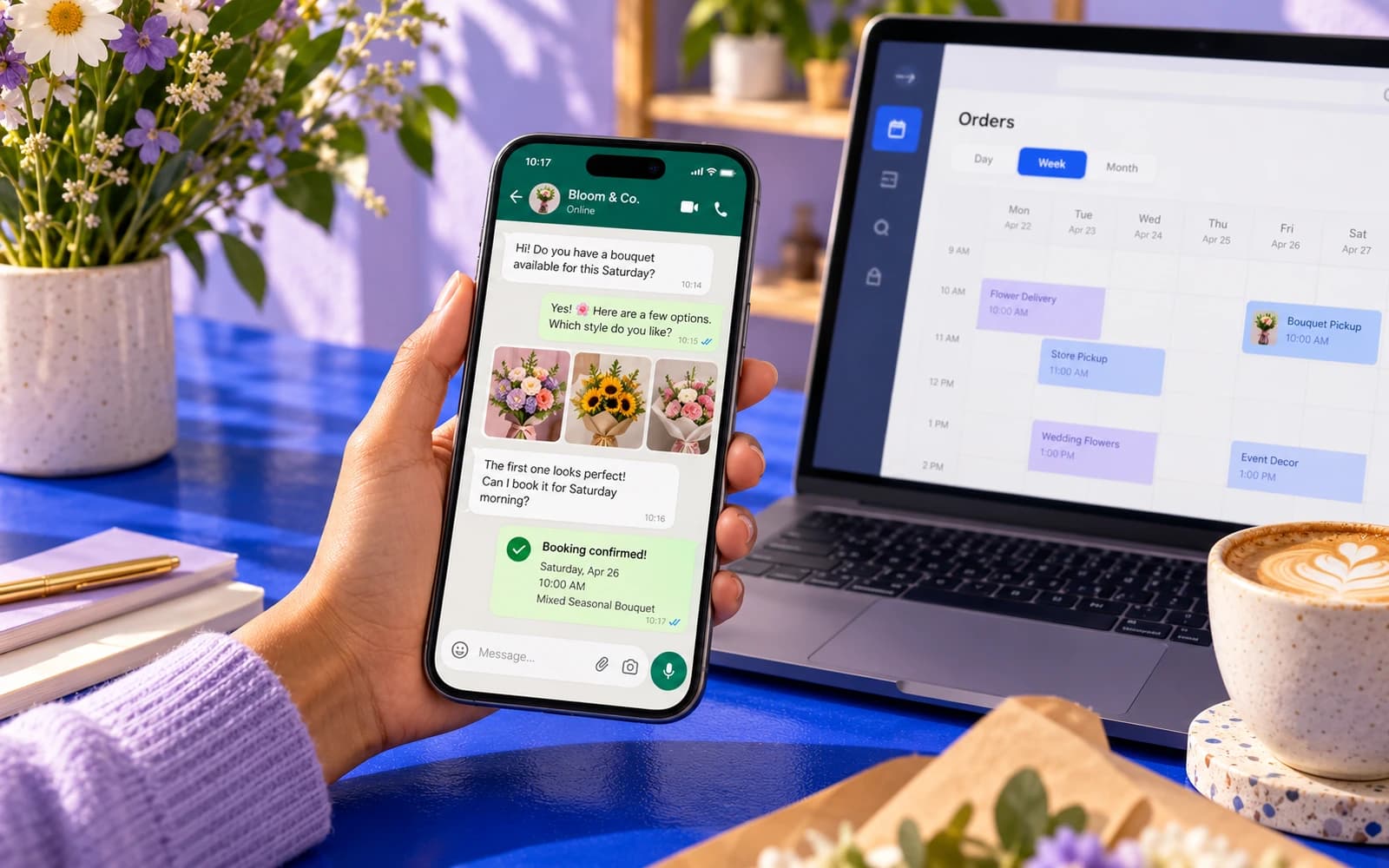 Automation14 min readWhatsApp automation for business: a practical guideWhatsApp automation for business: what to automate, opt-in and template rules, how Meta charges for messages from October 2026, tools and how a rollout runs.
Shall we discuss your project?
We will tell you what it costs and how long it takes. The price is fixed in the contract.